

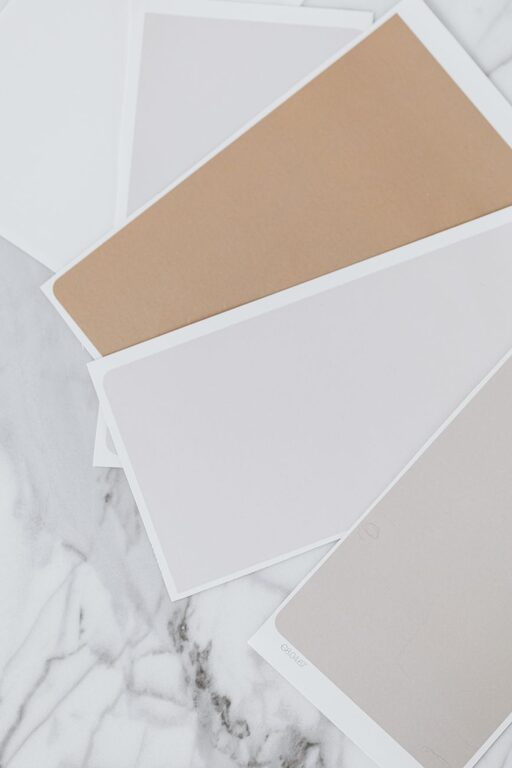
Creating a calm and inviting atmosphere in your home starts with the colors you choose. Calm colors can help reduce stress, promote relaxation, and make your living space feel more comfortable and welcoming. Whether you want to refresh a single room or redesign your entire home, selecting the right colors is key. In this post, we’ll explore helpful tips for choosing calm colors that suit your style and enhance your space.
Understanding Calm Colors
Calm colors are generally soft, muted shades that evoke a sense of tranquility. These colors tend to be cool or neutral tones rather than bold or intense hues. Some popular calm colors include:
– Soft blues
– Pale greens
– Warm grays
– Gentle lavenders
– Light beiges and creams
These colors have a subtle quality that can help create a peaceful environment. They are often inspired by nature, such as sky, water, sand, and foliage.
Why Choose Calm Colors?
Before diving into tips, it’s helpful to understand why calm colors can be a great choice for your home:
– Promote relaxation: Calm tones can reduce feelings of anxiety and help you unwind after a busy day.
– Enhance focus: These colors are less distracting, making them ideal for spaces like offices or study areas.
– Create spaciousness: Light and muted colors often make rooms feel bigger and airier.
– Coordinate easily: Calm colors tend to blend well with other shades and decor styles.
Tips for Choosing Calm Colors for Your Home
1. Consider the Room’s Purpose
Think about how you use each room when selecting calm colors. For example:
– Bedroom: Soft blues, muted greens, or pale lavender promote rest and sleep.
– Living room: Warm neutrals or gentle grays create a cozy, welcoming vibe.
– Kitchen: Light greens or creamy yellows can feel fresh and clean without being overwhelming.
– Bathroom: Cool blues or aquas offer a spa-like, refreshing atmosphere.
Matching colors to a room’s function helps support the mood you want to create.
2. Use Color Samples and Swatches
Before painting, test several color samples on your walls. This step is important because lighting and room size affect how colors appear. Keep these tips in mind:
– View samples at different times of day.
– Observe colors under natural and artificial light.
– Look at samples both up close and from a distance.
This hands-on approach can prevent surprises and help you pick the best calm tone.
3. Stick to a Simple Color Palette
Using too many colors can overwhelm a space and disrupt calmness. Instead, aim for:
– One or two main calm colors for walls and large furniture.
– One or two complementary neutral shades for accents like pillows or rugs.
A consistent palette encourages harmony and balance, making rooms feel more peaceful.
4. Consider Undertones and Their Effects
Many calm colors have undertones that influence their overall mood:
– Blue undertones: Cool and refreshing, ideal for focus and calmness.
– Green undertones: Natural and soothing, great for relaxation.
– Warm undertones (beige, cream): Cozy and inviting without being too bright.
Understanding undertones helps you select colors that work well in your space and match other elements.
5. Balance Color with Light and Texture
Color is just one piece of the puzzle. You can enhance calmness by:
– Maximizing natural light with sheer curtains or open windows.
– Adding textures like soft fabrics, natural wood, or woven materials.
– Using neutral or light-colored furniture to complement the wall color.
Together, these elements create a layered, tranquil environment.
6. Avoid Harsh Contrasts
Strong contrasts can introduce energy and tension, which works against a calm vibe. Try to:
– Choose colors with subtle differences in tone.
– Use gradients or shades within the same color family.
– Keep trim, molding, and ceilings in lighter or matching tones to avoid sharp breaks.
Smooth transitions between colors help maintain a restful feeling.
7. Use Calm Colors to Highlight Architectural Features
Calm colors don’t have to be boring! You can use them creatively to highlight your home’s best features:
– Paint built-in shelves or niches in a soft accent color.
– Use a gentle tone on a fireplace surround for subtle drama.
– Choose a calm color for an accent wall to anchor an open-plan room.
This approach adds interest while staying true to a peaceful palette.
Final Thoughts
Choosing calm colors for your home is a wonderful way to create an inviting and restful space. By considering your room’s purpose, testing samples, keeping a simple palette, and paying attention to undertones and lighting, you can find soothing colors that support your lifestyle. Remember that calmness comes not only from color but also from how you combine it with textures and furnishings. With a thoughtful approach, your home can become a sanctuary of peace and comfort.
Take your time exploring colors and enjoy the process of making your home a calm haven!